
Bathroom electrics on the Wirral
Lighting, extractor fans, shaver points and electric showers installed safely to the special rules for bathrooms, and certified.
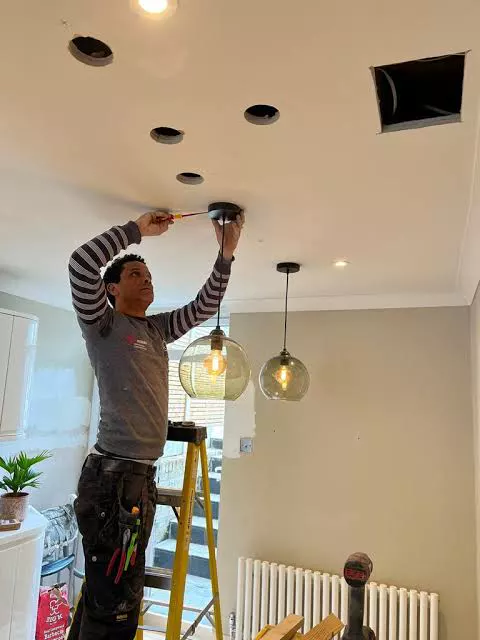
Water and electricity are a dangerous mix, which is why bathrooms have their own section in the wiring regulations. Every light, fan and shower has to be the right type for where it sits, protected properly and installed by someone who knows the rules.
We wire bathrooms, en-suites and shower rooms across the Wirral, Merseyside and Chester, whether you are refitting the whole room or just replacing an extractor fan. We work around your bathroom fitter and plumber, and every job is tested and certified.
Bathroom electrical work we do
From a single fan to a full refit:
- Electric shower circuits
- Extractor fans with timer or humidistat
- Bathroom downlights and ceiling lights
- Illuminated and demister mirrors
- Shaver sockets
- Electric towel rails
- Underfloor heating supplies
- Pull-cord and outside-the-room switching
Bathroom zones explained
BS 7671, the 18th Edition wiring regulations, divides a bathroom into zones based on how likely each area is to get wet. What can be fitted in each zone, and how well it must be sealed against water (its IP rating), depends on the zone:
- Zone 0 is inside the bath or shower tray itself. Only low-voltage equipment made for it, rated at least IPX7, is allowed.
- Zone 1 is the space directly above the bath or shower tray, up to 2.25 metres from the floor. Fittings need at least IPX4, and only certain equipment, such as a suitable electric shower or sealed light, is allowed.
- Zone 2 extends 0.6 metres out from the edge of the bath or shower. Fittings need at least IPX4, and shaver sockets must be kept out of reach of direct spray.
- Outside the zones the rules relax, but ordinary 230V sockets still have to be at least 3 metres from the edge of the bath or shower.
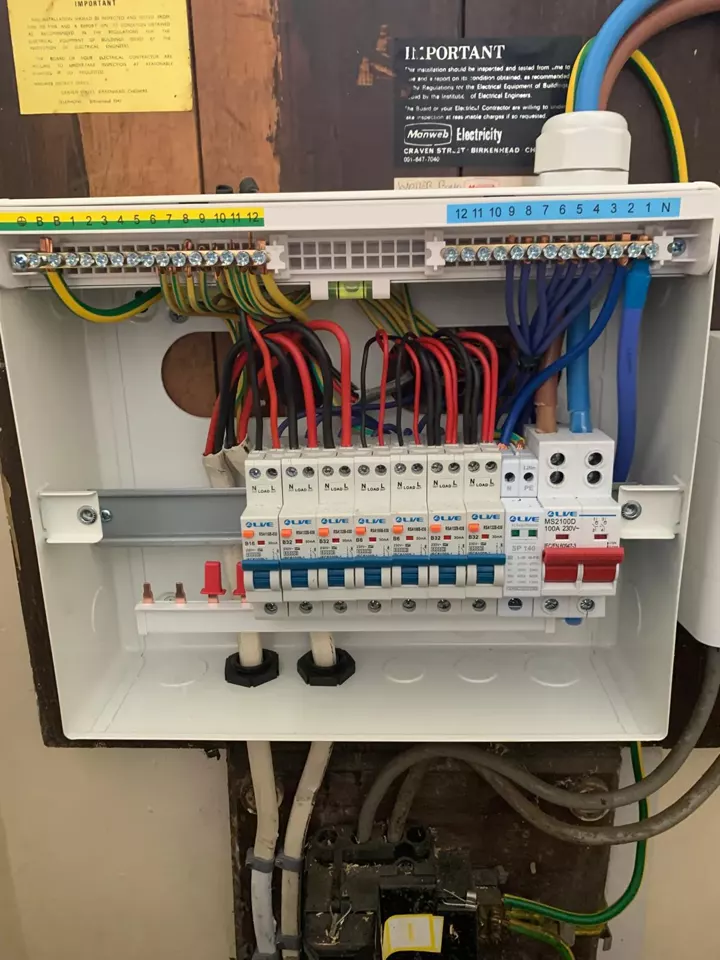
Every circuit serving a bathroom must also have 30mA RCD protection. If your home does not have it, we will explain what is needed, which may mean a fuse board upgrade.
Electric showers need their own circuit
An electric shower is one of the biggest loads in a home: a 9.5kW or 10.5kW unit draws more current than almost anything else in the house. It needs a dedicated circuit from the consumer unit, a cable sized for the load and the length of the run, and a suitable isolating switch outside the zones.
Upgrading to a more powerful shower on the old cable is a common cause of melted connections and scorch marks. We check the existing circuit before fitting a new unit, and tell you plainly if the cable or protection needs upgrading first.
If you are replacing a shower with one of the same power on a sound circuit, it is often a straightforward swap. If you are going up in power or adding a shower where there was none, allow for a new circuit from the consumer unit.
Extractor fans matter too. A fan with an overrun timer or humidity sensor clears steam properly and helps prevent condensation and mould.
How a bathroom job works
Plan the zones
We look at the layout with you and agree what goes where, keeping every fitting in a suitable zone.
First fix
Cables run before tiling and boarding, with the shower circuit sized for the unit you have chosen.
Second fix
Lights, fan, shaver socket and shower connected once the room is finished.
Test and certify
RCD protection and every circuit tested, certified and notified under Part P.
Bathroom work is usually notifiable
New circuits, and most work within the bathroom zones, are notifiable under Part P of the Building Regulations. We are NAPIT approved and Part P registered, so it is certified and registered with building control for you. Never fit an ordinary light or socket in a bathroom yourself.
Refitting the kitchen too, or want new lighting elsewhere in the house? We can plan it all together. Neat, careful work in a finished room is something we take pride in; attention to detail is what the Navy taught us.
Bathroom electrics questions
All questionsAre you a registered electrician?
Yes. We are NAPIT approved and registered under the Part P competent person scheme, so notifiable work is certified and registered with building control for you. Every job is tested and you get the right certificate for it: an Electrical Installation Certificate for new circuits and rewires, a Minor Works Certificate for smaller jobs, or an EICR for an inspection.
Why do bathrooms have special electrical rules?
Water and electricity do not mix, so the wiring regulations divide a bathroom into zones around the bath and shower, with strict rules on what can go in each and how it must be protected. Bathroom electrical work is notifiable, which is why it needs a registered electrician.
Bathroom electrics across the Wirral
We wire bathrooms, en-suites and shower rooms in all of these towns.
- Birkenhead4 miles from our Upton base
- Wallasey3 miles from our Upton base
- Moreton1 mile from our Upton base
- Hoylake3 miles from our Upton base
- West Kirby3 miles from our Upton base
- Heswall4 miles from our Upton base
- Bebington5 miles from our Upton base
- Bromborough6 miles from our Upton base
- Neston7 miles from our Upton base
- Ellesmere Port11 miles from our Upton base
- Chester16 miles from our Upton base
Related services
-
Kitchen electrics
Cooker circuits, extra sockets, under-cupboard lighting and spotlights for new kitchens: one of our specialities. Find out more -
Lighting, sockets and installations
New lighting, downlights, extra sockets and circuits, installed neatly with certified components. Find out more -
Fuse board upgrades
Old fuse box replaced with a modern consumer unit with RCD protection, tested and certified to current regulations. Find out more
Get a bathroom electrics quote
Tell us what you are fitting, such as a shower, fan or lights, and send a photo of the room and your fuse board if you can. We will come back with a clear quote.
- Call 07845 087406Straight through to the electrician
- WhatsApp usYour area, the job and a photo if you have one
- Emailroyalelectrical1@outlook.com
10% off for blue light and care sector workers. Just mention it.